
Staff Bead
Showing all 3 results
-

White Finish Painted Staff Bead (3 M) Carrier Only
Select options This product has multiple variants. The options may be chosen on the product page -


White Finish Painted Staff Bead (3 M)
Select options This product has multiple variants. The options may be chosen on the product page -
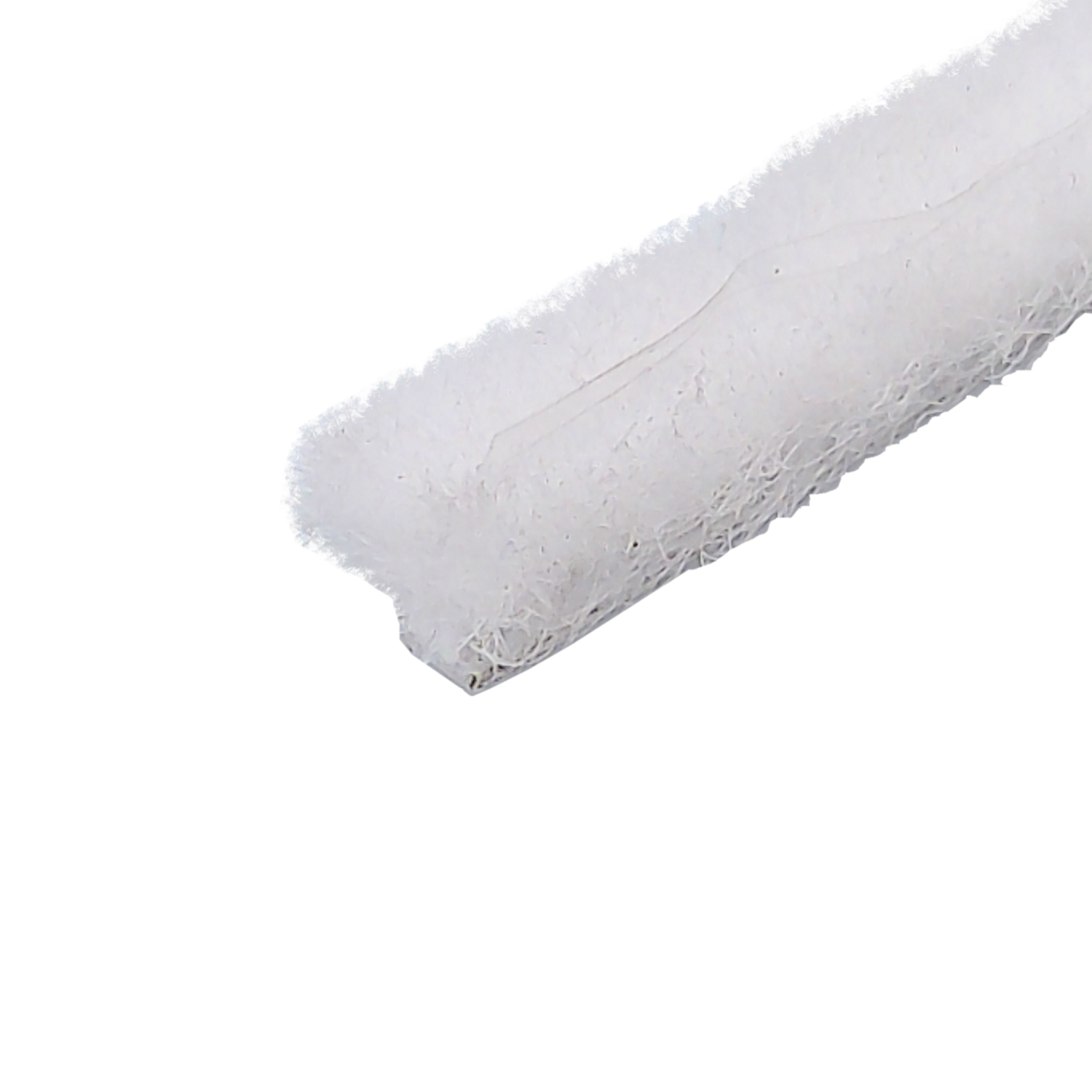
Brushpile White – 5.5mm/8.5mm/11.5mm – 500m Roll (Bulk Discounts)
Select options This product has multiple variants. The options may be chosen on the product page
Staff Bead
Collection Only
Regarding this product, at the moment it is available for collection only, or delivery can be arranged in advance.
Staff bead is a timber component fitted to the internal face of a sash frame. It secures the lower sash while allowing controlled vertical movement. When fitted correctly, it improves alignment, reduces movement noise, and helps ensure smooth everyday operation.
Purpose and Function
This internal beading runs along the inside perimeter of the frame and keeps the sash securely in place. At the same time, it provides a clean internal finish and helps guide movement. Because correct positioning is essential, replacing worn or damaged beading improves performance and restores proper alignment.
Worn components can cause rattling, uneven movement, and increased friction. Installing new timber beading helps restore smooth and reliable operation.
Suitable for Restoration and Joinery Work
This component is widely used in refurbishment projects, joinery manufacturing, and restoration of traditional timber frames. Accurate installation ensures proper sash retention and long-term durability.
Whether completing a full refurbishment or replacing individual parts, quality sash beading helps maintain structural stability and consistent performance.
Available Finishes and Options
Timber beading is available in unfinished and pre-painted finishes. Pre-finished white options reduce preparation time and allow faster installation. Unfinished timber allows custom finishing to match existing interiors.
Compatible Hardware Components
This part works alongside other hardware components to support proper sash operation:
When all components work together correctly, the sash moves smoothly and remains properly balanced. This reduces wear on cords and improves overall reliability.
Importance of Quality Materials
High-quality internal beading improves durability and enhances the internal finish. It also helps maintain correct positioning, reducing strain on moving parts.
Because this component is visible from inside the property, proper installation contributes to a clean and professional appearance.
Choosing the Correct Option
When selecting staff bead, consider frame dimensions, finish requirements, and compatibility with existing components.
Browse our range of staff bead products to find reliable timber solutions suitable for refurbishment, restoration, and new installation projects.
Staff Bead - FAQ
1. What is a staff bead on a sash window and what does it do?
A staff bead is a timber or purpose-made profile fitted along the internal edges of a traditional sliding sash window frame. Its main purpose is to retain the lower sash within the frame while allowing it to move vertically when opening and closing.
Sash window staff beads also help guide the moving sash, maintain correct alignment and provide a neat internal finish around the window.
When correctly installed, staff beading can reduce unwanted rattling and excessive sideways movement. Staff beads fitted with suitable brush pile seals can also help minimise draughts and improve comfort.
They are essential components in many Victorian, Edwardian and Georgian sash windows and are commonly replaced during timber sash window repairs, draught-proofing and restoration projects.
2. What is the difference between staff bead and parting bead?
The main difference between staff bead and parting bead is their position and function within a traditional sash window frame.
Staff bead is fitted on the room-facing side of the window frame. It holds the lower sash in place, helps guide its vertical movement and provides a finished appearance around the internal edge of the window.
Parting bead is positioned in a groove between the upper and lower sashes. Its purpose is to separate the two moving sashes, preventing contact and allowing them to slide independently.
Both components are important for maintaining correct sash alignment and smooth operation.
When restoring traditional timber sash windows, replacing worn staff beads and parting beads can help reduce rattling, excessive friction and unwanted air movement, particularly when combined with suitable draught-proofing seals.
3. What are the benefits of draught-proof staff beads for sash windows?
Draught-proof staff beads are designed to help reduce unwanted airflow around the internal edges of traditional sliding sash windows while maintaining smooth sash movement.
They typically incorporate a channel or carrier for a brush pile seal that forms a flexible barrier between the window sash and the surrounding frame.
The main benefits include:
Reduced draughts: helps limit cold air entering around the lower sash.
Improved thermal comfort: reduces unwanted air movement in rooms.
Less rattling: helps minimise vibration and movement noise.
Smooth window operation: suitable brush pile seals allow the sash to slide without excessive resistance.
Improved dust control: reduces some airborne dust entering through gaps.
Traditional appearance: maintains the character of period timber sash windows.
Draught-proof staff beads are particularly useful in Victorian and Edwardian property refurbishment, where improved comfort is required without replacing the original timber windows.
The effectiveness depends on correct fitting, suitable brush pile dimensions and the overall condition of the window.
4. How do I measure and choose the correct replacement staff bead?
Choosing the correct replacement sash window staff bead requires measuring the existing timber profile and checking the space between the moving sash and the internal window frame.
Before ordering new staff beads, consider the following:
Profile dimensions: measure the width, depth and shape of the existing staff bead.
Required length: measure the vertical and horizontal sections where the beading will be installed.
Sash clearance: ensure the replacement bead allows the window to slide freely.
Draught-proofing requirements: decide whether you need a standard profile or a carrier designed for brush pile.
Finish: choose a suitable painted or unfinished profile to match the existing joinery.
Frame condition: inspect the timber for damage, distortion or uneven surfaces.
At Sash Weights London, we offer white finish painted staff beads in 3-metre lengths, suitable for a range of traditional sash window restoration and joinery projects.
Accurate measurements are essential because incorrectly fitted staff beads can cause excessive friction, prevent smooth movement or leave gaps around the window sash.
5. How do you replace staff beads on a sash window?
Replacing sash window staff beads is a common repair carried out during traditional timber window restoration, draught-proofing and maintenance.
The typical replacement process includes:
Carefully remove the existing staff beads from the inside of the sash window frame.
Support the lower sash to prevent it from falling or moving unexpectedly.
Remove old nails, loose paint and debris from the fixing surfaces.
Inspect the timber frame and check for damage or uneven areas.
Measure and cut the replacement staff bead profiles to the required lengths.
If using draught-proof staff beads, install the appropriate brush pile seals.
Position and secure the new staff beads while maintaining adequate clearance around the moving sash.
Test the window to ensure it opens and closes smoothly without excessive friction.
Correct installation is essential because staff beads retain the lower sash inside the frame.
If the window is particularly heavy, damaged or difficult to access, professional sash window repair is recommended.
6. Can I replace sash window staff beads without replacing the entire window?
Yes, sash window staff beads can usually be replaced without replacing the entire window. In most traditional timber sash windows, staff beads are separate components that can be removed and replaced during maintenance or refurbishment.
Replacing damaged or worn staff beading is often a cost-effective way to improve window operation, restore correct alignment and achieve a cleaner internal finish.
Common reasons for replacing staff beads include:
Cracked, broken or damaged timber profiles.
Excessive gaps around the lower sash.
Rattling caused by worn or poorly fitted beading.
Difficulty opening or closing the sash.
Installation of new draught-proofing brush seals.
Restoration of Victorian or Edwardian timber windows.
New staff beads can be installed alongside existing sash cords, pulleys and counterweights, provided those components remain in good working condition.
This approach helps preserve original timber sash windows while improving their everyday functionality.
7. Are painted timber staff beads suitable for Victorian and Edwardian sash windows?
Yes, painted timber staff beads are suitable for many Victorian and Edwardian sash windows, particularly when restoring traditional timber frames or replacing damaged internal beading.
Staff beads form part of the original construction of many period sash windows, helping retain the lower sash and maintain smooth vertical movement.
Pre-painted white staff beads offer several advantages for restoration projects:
A clean, consistent finish suitable for traditional painted joinery.
Reduced preparation and painting time.
Convenient installation during sash window refurbishment.
Compatibility with appropriate traditional timber window profiles.
The ability to retain the original sash window construction.
At Sash Weights London, our range includes white finish painted staff beads supplied in 3-metre lengths.
For listed buildings and conservation projects, replacement staff beading should be selected to match the original profile as closely as possible, taking account of any applicable heritage requirements.
8. What size brush pile do I need for draught-proof sash window staff beads?
The correct brush pile size for sash window staff beads depends on the gap between the moving sash and the staff bead, as well as the dimensions of the brush pile carrier channel.
Brush pile is designed to create a flexible draught seal while allowing the sash window to slide freely.
At Sash Weights London, our range includes white brush pile options with pile heights of 5.5mm, 8.5mm and 11.5mm.
When selecting brush pile, consider:
Gap size: measure the space that needs to be sealed.
Pile height: choose a height that makes suitable contact without excessive compression.
Carrier compatibility: ensure the brush pile backing fits the existing staff bead channel.
Window movement: the seal must not prevent the sash from sliding smoothly.
Condition of the frame: uneven or distorted timber may require additional adjustments.
Using brush pile that is too short may leave gaps, while excessively long pile can increase friction and make the sash difficult to operate.
Correctly fitted brush pile staff beads can reduce draughts, rattling and unwanted air movement around traditional sash windows.
9. How long do timber sash window staff beads last?
The lifespan of timber sash window staff beads depends on the quality of the timber, installation method, moisture exposure, paint protection and general window maintenance.
Well-fitted, properly maintained timber staff beads can remain functional for many years. However, moisture damage, repeated removal, timber movement and excessive friction may eventually make replacement necessary.
Common signs of deteriorating staff beads include:
Cracked, split or loose timber.
Peeling paint or signs of moisture damage.
Excessive gaps between the bead and sash.
Rattling or unwanted sideways sash movement.
Difficulty opening or closing the window.
Damaged or worn draught-proofing brush seals.
To maintain sash window staff beads, keep painted surfaces in good condition, check for moisture damage and inspect the fit periodically.
If the timber profile is still sound but the brush pile is worn, replacing the seal alone may be sufficient where the carrier system allows it.
Regular maintenance helps extend the service life of traditional timber sash windows.
10. Where can I buy sash window staff beads in London and the UK?
You can buy sash window staff beads in London and throughout the UK from Sash Weights London, a specialist supplier of components for traditional timber sash window restoration, repairs and professional joinery.
Our staff bead range includes:
White Finish Painted Staff Bead (3 M) – pre-painted timber beading suitable for traditional sash window refurbishment.
White Finish Painted Staff Bead Carrier Only (3 M) – a carrier profile for compatible brush pile draught-proofing seals.
White Brush Pile – available in 5.5mm, 8.5mm and 11.5mm pile heights for compatible draught-proofing applications.
These products are suitable for replacing worn sash window beading, improving internal sash alignment and supporting draught-proofing projects.
We supply sash window components for homeowners, joiners, window restoration specialists and professional installers.
Visit Sash Weights London, 14 Gorst Road, London, NW10 6LE, browse our staff bead products online or call 020 3302 1450 for assistance with selecting suitable replacement staff beading.
Our range supports traditional sash window repairs and restoration projects across London and the UK.