
Sash Window Steel Weights
Showing all 7 results
-

Square Steel Weights (50mm x 50mm)
£0,87 for 1 LBSelect options This product has multiple variants. The options may be chosen on the product page -

Square Steel Weights (45mm x 45mm)
£0,87 for 1 LBSelect options This product has multiple variants. The options may be chosen on the product page -
Rectangular Steel Sash Weights (45mm x 35mm)
£0,87 for 1 LBSelect options This product has multiple variants. The options may be chosen on the product page -
Square Steel Sash Weights (42mm x 42mm)
£0,87 for 1 LBSelect options This product has multiple variants. The options may be chosen on the product page -
Square Steel Weights (40mm x 40mm)
£0,87 for 1 LBSelect options This product has multiple variants. The options may be chosen on the product page -
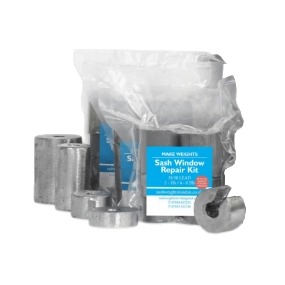

Steel Add-on Weights (38 MM)
Select options This product has multiple variants. The options may be chosen on the product page -
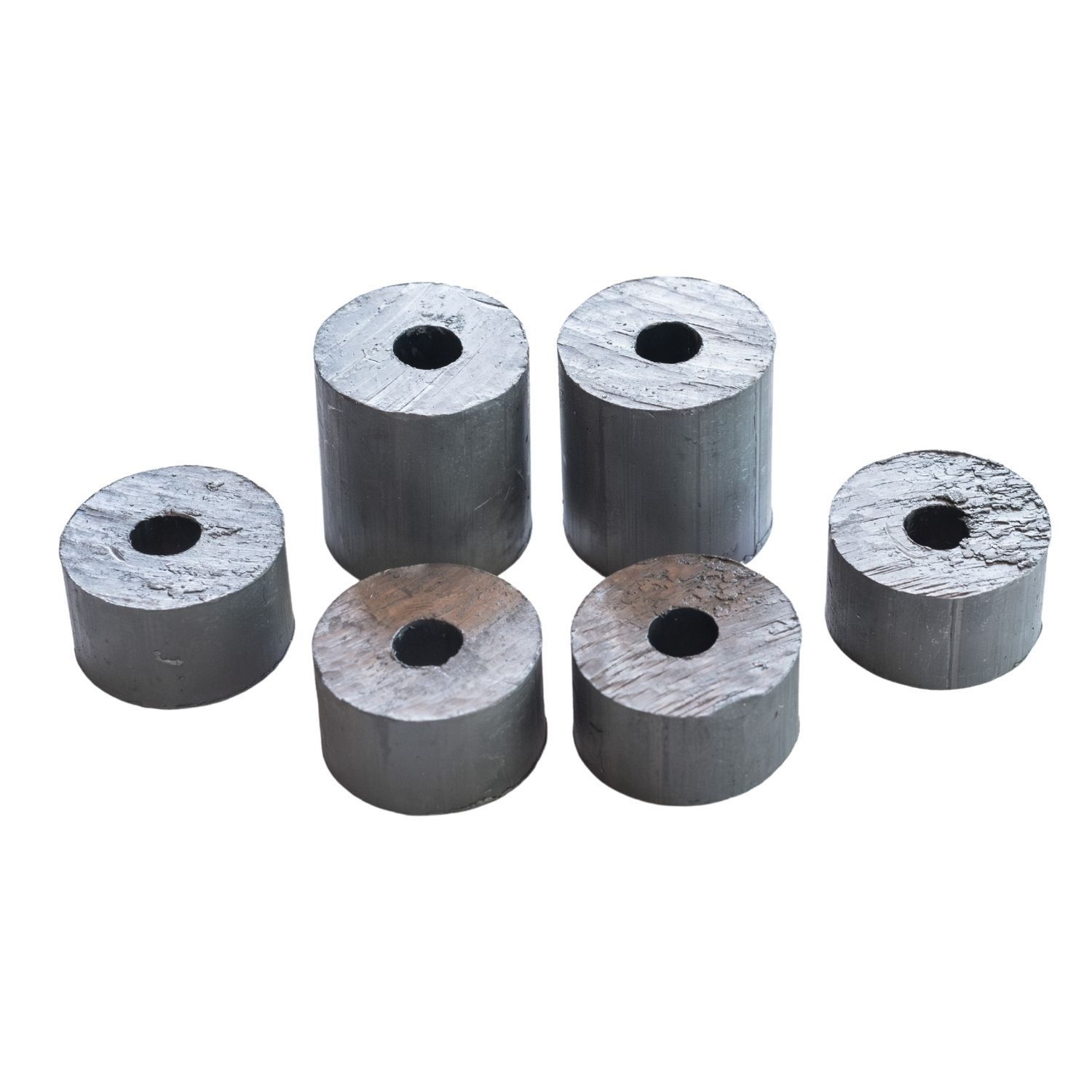
Lead Add-on Weights (38 MM)
Select options This product has multiple variants. The options may be chosen on the product page
Sash Window Steel Weights – Premium counterweights for traditional windows
If you own a traditional sash window, you understand the importance of a well-balanced system. Sash window steel weights play a crucial role in ensuring the smooth and effortless operation of your sash windows. These counterweights are specifically designed to balance the sash, preventing it from slamming shut or becoming difficult to open. Our high-quality sash steel weights provide a reliable and long-lasting solution for restoring or upgrading your sash window mechanism.
Why choose our sash window steel weights?
Our sash steel weights are crafted from durable, high-grade steel, offering superior density compared to traditional cast iron or lead alternatives. This ensures that the weights are compact yet effective, reducing the amount of space required within the sash box while still delivering optimal counterbalancing.
Key features od sash steel weights:
Premium-Quality Steel – Made from high-density steel for enhanced durability and longevity.
Efficient Counterbalancing – Ensures smooth operation of sash windows, preventing sticking or jamming.
Corrosion-Resistant Finish – Designed to withstand environmental conditions, reducing rust and wear over time.
Versatile Weight Options – Available in a range of sizes and weights to suit different sash window designs.
Easy Installation – Designed for simple replacement or retrofitting in existing sash windows.
The importance of sash window steel weights
A sash window steel weight is a fundamental component of a traditional sash window’s pulley system. The weight is connected to the window via a sash cord or chain, running over a pulley. As the window is lifted or lowered, the sash steel weights provide the necessary counterbalance, ensuring a controlled and smooth motion. Without the correct weight, the sash may become unbalanced, making it difficult to operate or even causing damage over time.
How to choose the right sash window steel weights
When selecting the ideal sash steel weights, it is essential to consider the weight of your sash window. The counterweight should match the weight of the sash to ensure optimal balance. We offer a variety of weight increments to accommodate different sash window designs, allowing you to find the perfect fit for your window restoration or installation project.
Applications of sash window steel weights
Our sash window steel weights are ideal for:
Restoring historic sash windows – Preserve the authentic function of heritage properties.
Replacing old or damaged weights – Upgrade outdated or broken window counterbalances.
New sash window installations – Ensure smooth and reliable performance for newly installed sash windows.
Why steel over other materials?
While traditional sash window weights were commonly made from lead or cast iron, modern sash steel weights offer several advantages:
Higher Density – Provides the necessary weight with a more compact size.
Eco-Friendly – Steel is a more sustainable and recyclable material.
Longer Lifespan – Resistant to corrosion, wear, and environmental damage.
Installing sash window steel weights is a straightforward process. If you are replacing old weights, simply measure the existing ones and select the appropriate steel equivalent. The weights are attached to the sash cord or chain and guided into the weight pocket within the sash box. Regular inspection and maintenance of the pulley system and cords will ensure the longevity and performance of your sash window weights.
Order your sash window steel weights today
Whether you are restoring a period property or installing new sash windows, our sash steel weights are the perfect solution for smooth and balanced operation. Browse our selection of high-quality sash window steel weights to find the right fit for your project. If you need assistance in choosing the correct weight, our expert team is here to help!
Upgrade your sash windows with durable and efficient sash window steel weights – ensuring functionality, longevity, and historical authenticity.
Sash Window Steel Weights - FAQ
1. What are sash window steel weights and how do they work?
Sash window steel weights are metal counterweights used to balance traditional sliding sash windows. They are installed inside the sash box and connected to the window sash using sash cords or chains that run over pulleys.
When the window is opened or closed, the steel counterweights move in the opposite direction, helping to balance the weight of the sash. This mechanism allows traditional timber sash windows to operate smoothly without excessive lifting force.
Steel sash weights are commonly used for replacing damaged or missing counterweights, restoring Victorian and Edwardian windows, and installing new traditional sash window systems.
2. How do I calculate the correct steel sash weights for my window?
To calculate the correct steel sash window weights, first determine the total weight of the moving window sash, including its timber frame, glazing and fittings.
In a traditional sash window system with two counterweights, each weight should generally be approximately half the total sash weight, although the final balance may require adjustment depending on whether it is an upper or lower sash.
For example, if a window sash weighs 16 kg, the two counterweights would typically have a combined weight of approximately 16 kg, or around 8 kg each.
Accurate weight calculations are particularly important when replacing old glazing with heavier double-glazed units or restoring period sash windows.
3. What sizes of steel sash window weights are available?
At Sash Weights London, we supply steel sash weights in different sizes and cross-sections to accommodate various traditional sash window designs and weight box dimensions.
Our range includes:
Square steel weights – 40mm × 40mm
Square steel weights – 42mm × 42mm
Square steel weights – 45mm × 45mm
Square steel weights – 50mm × 50mm
Rectangular steel sash weights – 45mm × 35mm
Steel add-on weights – 38mm
Choosing the correct dimensions is essential to ensure that the weights move freely inside the sash box without catching on the surrounding timber or other components.
We also offer cut-to-size options for sash window restoration and replacement projects.
4. Are steel sash weights better than lead sash weights?
Both steel sash weights and lead sash weights provide effective counterbalancing for traditional sash windows, but the most suitable material depends on the available space, required weight and window construction.
Steel sash weights are strong, durable and suitable for many standard replacement and restoration applications. Steel is also recyclable and is often selected as an alternative to lead.
Lead sash weights have a significantly higher density, meaning they can provide the same counterbalancing weight in a smaller volume. This makes lead particularly useful where the sash box has limited space.
Steel is an excellent choice when sufficient room is available inside the window frame, while lead may be preferable for narrow sash boxes or particularly heavy window sashes.
5. Can I replace old cast iron sash weights with steel weights?
Yes, steel sash weights can replace traditional cast iron sash window weights, provided the replacement counterweights have the correct total mass and dimensions.
Before replacing the original weights, check the weight of the window sash, the size of the sash box and the available vertical travel. The replacement weights must move freely without touching the bottom of the box or interfering with the pulley mechanism.
Steel replacement weights are commonly used when restoring Victorian and Edwardian sash windows, repairing damaged counterbalance systems or replacing missing window weights.
It is also advisable to inspect the sash cords, pulleys and fixing points during the replacement process.
6. How do I measure steel sash weights for replacement?
To measure replacement steel sash window counterweights, check the dimensions of the existing weights and the available space inside the window’s weight pockets.
The most important measurements are:
Weight: the mass required to balance the window sash.
Width and depth: the maximum cross-section that fits inside the sash box.
Length: the available height for the weight to travel freely.
Clearance: sufficient space to prevent the counterweight from rubbing against the surrounding timber.
If the original weights are missing, measure the window sash and the internal dimensions of the weight box before selecting suitable replacements.
Correct measurements help ensure that the restored sash window opens, closes and remains balanced.
7. Can steel sash weights be cut to size?
Yes. Sash Weights London offers cut-to-size steel sash weights for customers who require specific lengths or counterbalancing weights.
Custom-sized steel weights are particularly useful for traditional timber windows, bespoke joinery projects and sash window restorations where standard counterweights may not fit correctly.
When requesting cut-to-size weights, provide the required weight, preferred cross-section, maximum available length and dimensions of the sash box.
Cut-to-size counterweights allow installers to achieve the required balance while ensuring sufficient clearance inside the window frame.
8. How much do steel sash window weights cost in the UK?
The cost of steel sash window weights in the UK depends on the weight, dimensions, quantity and any custom cutting requirements.
At Sash Weights London, selected steel sash weight products are listed from £0.87 per lb, with the final price depending on the chosen specification.
We also offer quantity discounts on eligible larger orders, making our products suitable for professional sash window installers, joiners, restoration companies and contractors.
For an accurate price, select the required steel sash weight dimensions and weight from our online product range or contact our team for assistance.
9. Are steel sash weights suitable for Victorian and Edwardian sash windows?
Yes, steel sash weights are suitable for many Victorian and Edwardian timber sash windows, including restoration and refurbishment projects.
Traditional sash windows use concealed counterweights, pulleys and cords to balance the moving window sashes. Steel weights can replace missing, damaged or incorrectly sized counterweights while retaining the traditional operating principle.
When restoring period windows, it is important to choose weights that match the sash’s mass and fit the original weight pockets.
Steel counterweights can also be used when upgrading glazing or repairing the balancing mechanism, provided the existing sash box has sufficient space.
10. Why does my sash window not stay open or close properly?
A sash window that will not stay open, drops unexpectedly or feels unusually heavy may have an incorrectly balanced sash weight system.
Common causes include missing counterweights, broken sash cords, incorrectly sized weights, damaged pulleys or additional glazing weight introduced during refurbishment.
If the combined counterweights are too light, the sash may fall or require excessive force to lift. If they are too heavy, the sash may rise unexpectedly or become difficult to close.
Replacing incorrectly sized weights with properly calculated steel sash window counterweights can help restore balanced operation. The cords, pulleys and window frame should also be inspected.