
Sash Pulleys
Showing 25–32 of 32 results
-
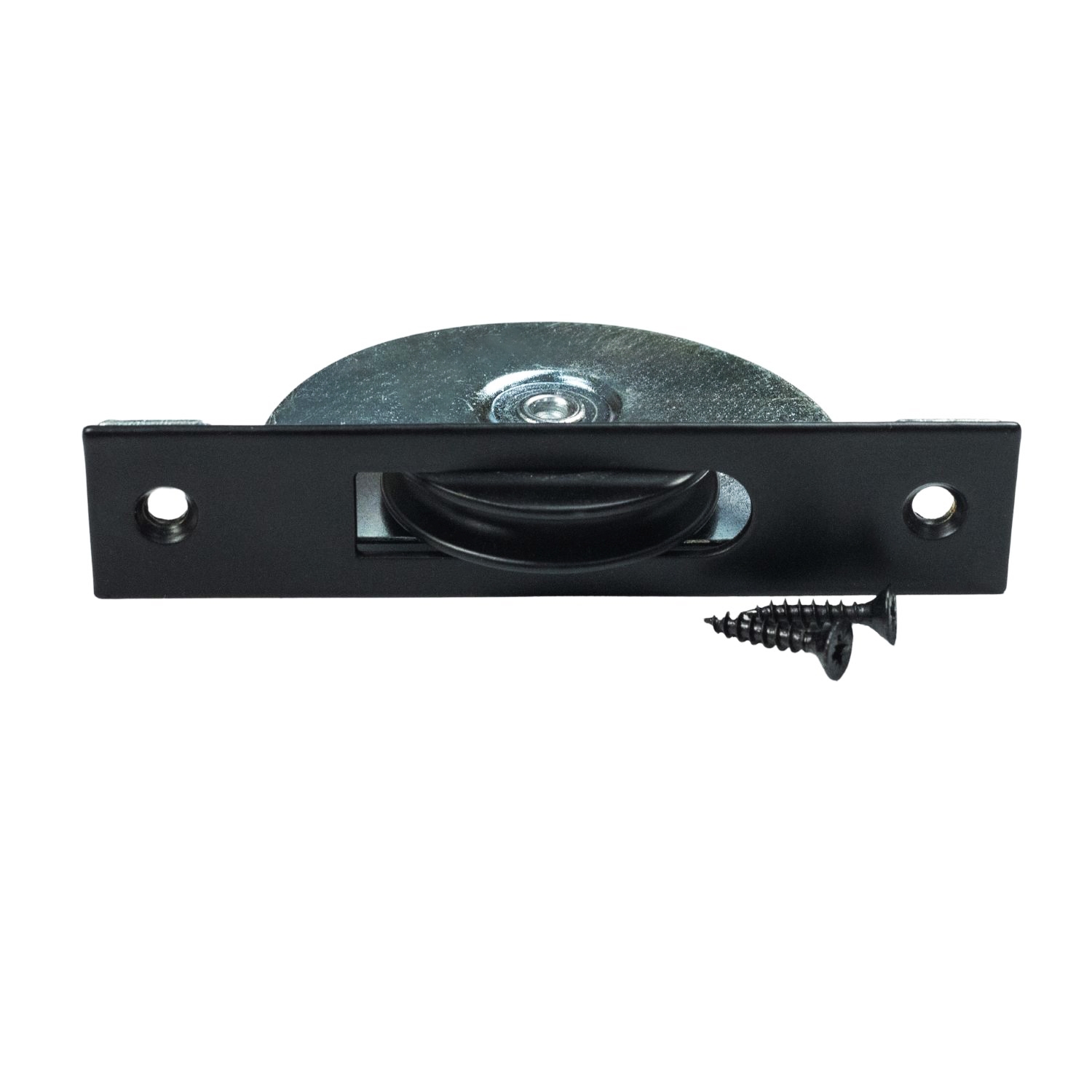
1 ¾″ Sash Pulley Matt Black
Select options This product has multiple variants. The options may be chosen on the product page -
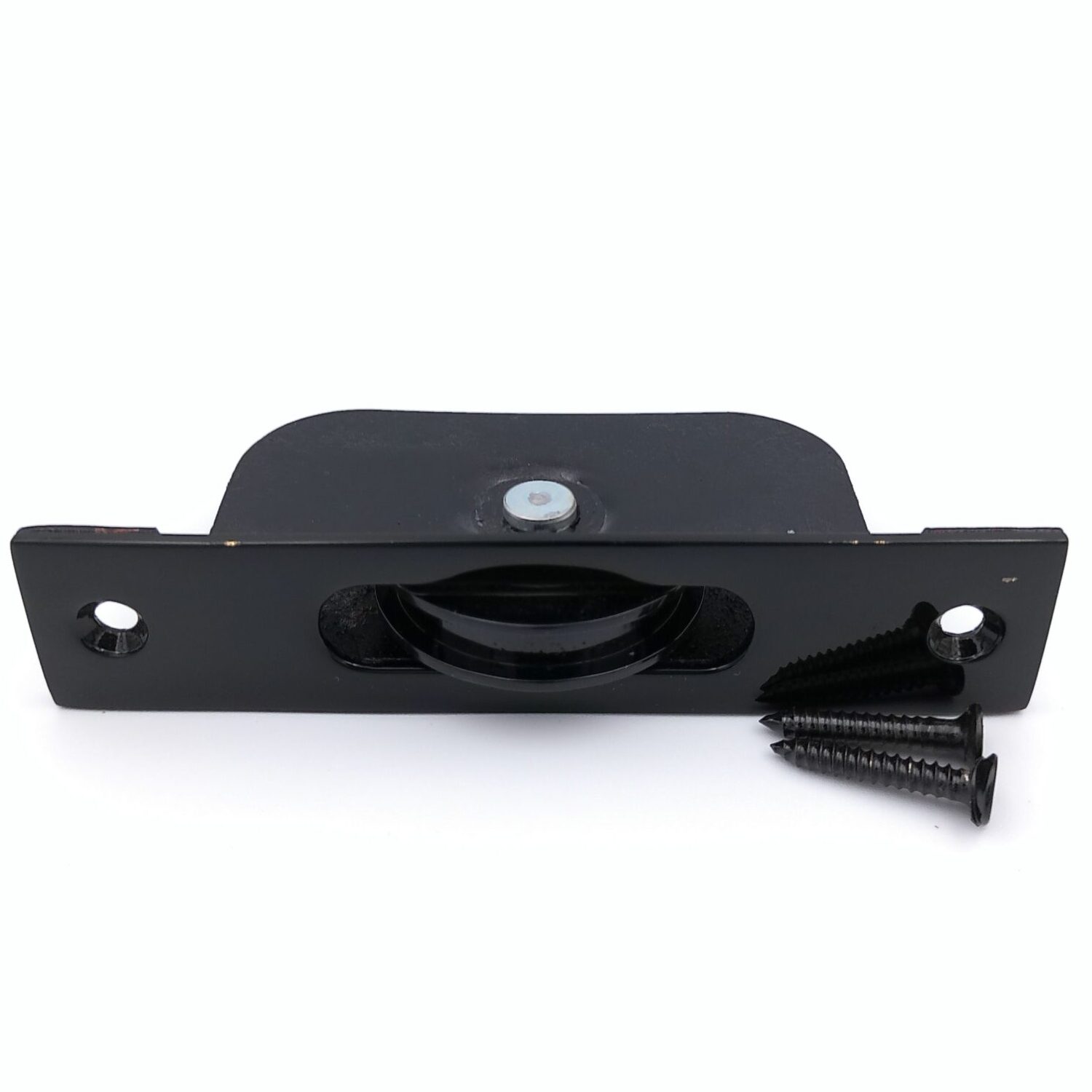

1 ¾″ Sash Pulley Polished Black
Select options This product has multiple variants. The options may be chosen on the product page -
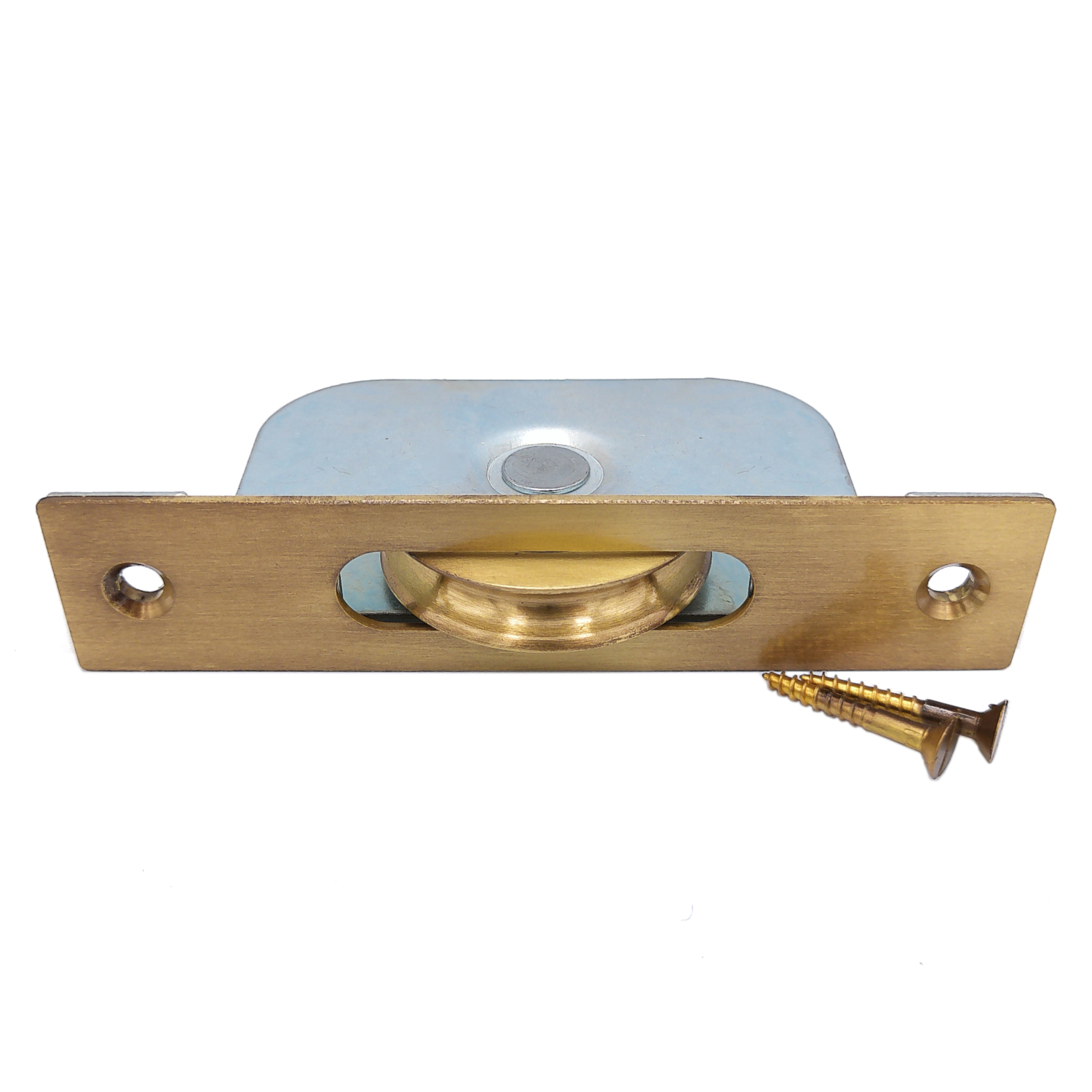
1 ¾″Sash Pulley Charubin Bronze
Select options This product has multiple variants. The options may be chosen on the product page -
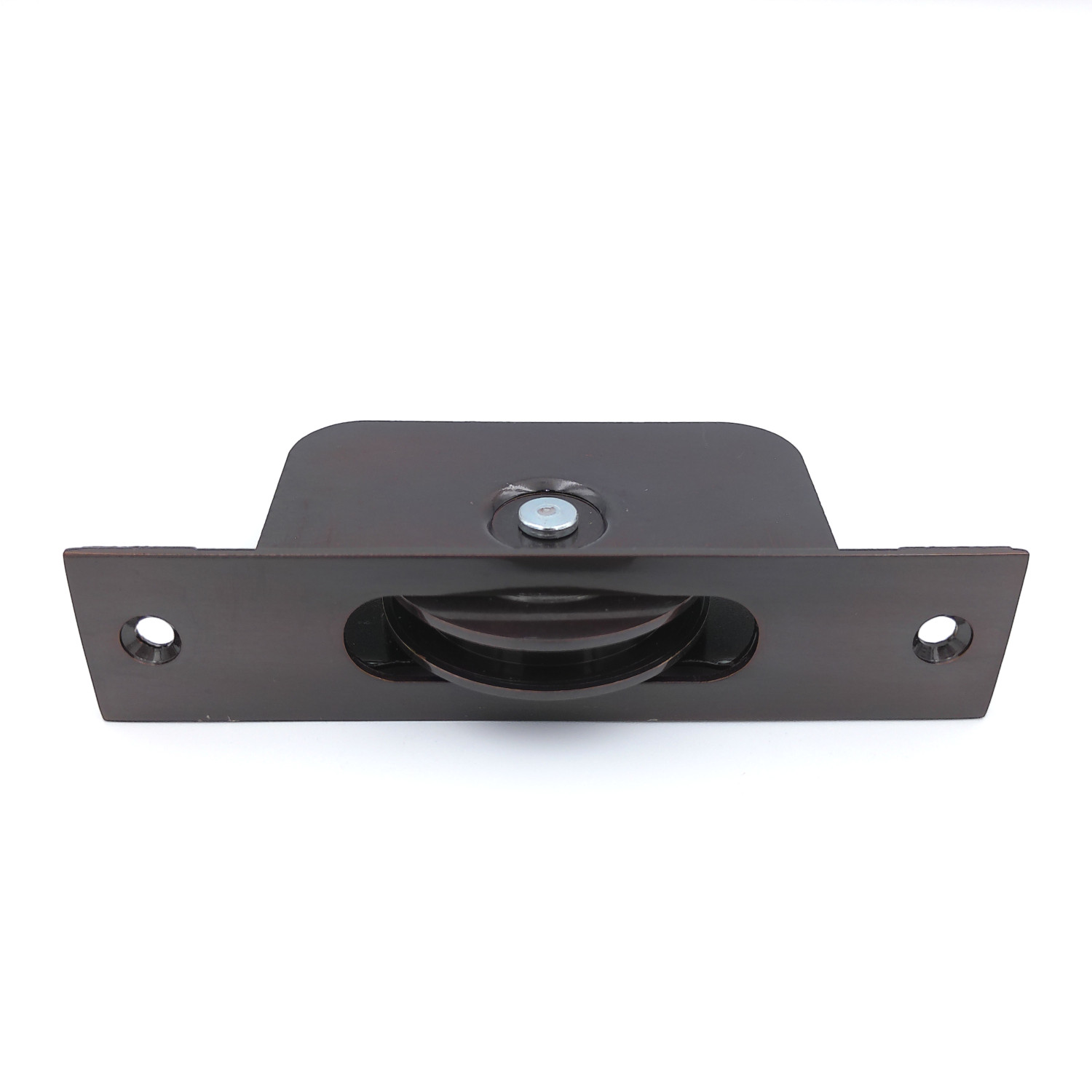
1 ¾″ Sash Pulley Polished Bronze
Select options This product has multiple variants. The options may be chosen on the product page -

Lead Add-on Weights (38 MM)
Select options This product has multiple variants. The options may be chosen on the product page -
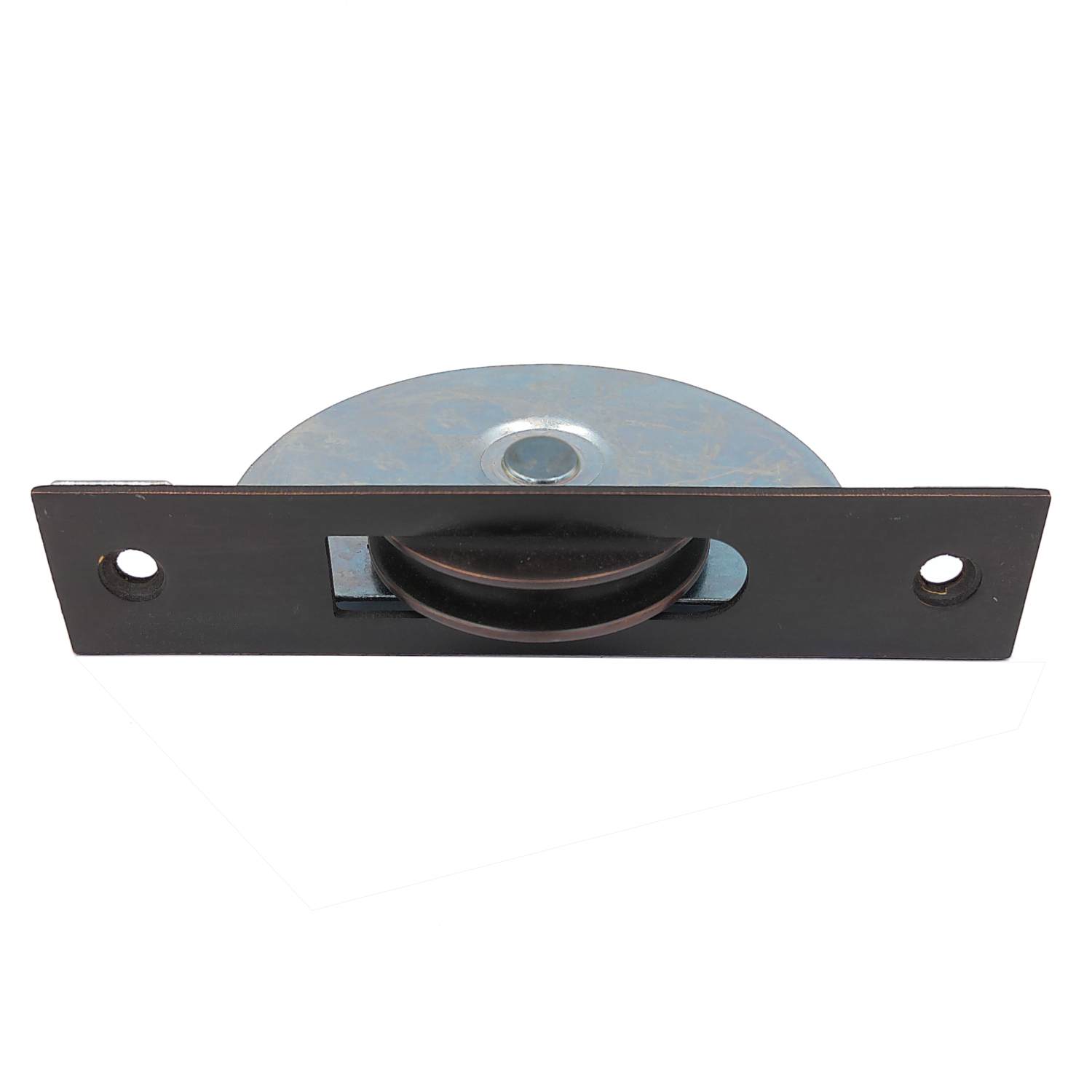
1 ¾″ Sash Pulley Oil Rubbed Bronze
Select options This product has multiple variants. The options may be chosen on the product page -

1 ¾″ Sash Pulley Galvanised Brass Wheel
Select options This product has multiple variants. The options may be chosen on the product page -


Sash Pulleys - FAQ
1. What are sash window pulleys and how do they work?
Sash window pulleys are mechanical fittings used in traditional sliding sash windows to guide the sash cord and connect the moving window sash to its counterbalance weights. They are typically installed near the top of the timber sash box frame.
As the window opens or closes, the sash cord moves over the rotating pulley wheel, allowing the counterweights to travel in the opposite direction. This mechanism helps balance the sash and reduces the effort required to operate the window.
High-quality sash pulleys are essential for smooth, reliable operation and help minimise wear on sash cords. They are widely used in Victorian, Edwardian and Georgian timber sash windows, as well as modern traditional-style window installations.
2. What size sash pulley do I need – 1¾ inch or 2 inch?
The correct sash pulley size depends on the window dimensions, the weight of the sash, the existing pulley housing and the available space inside the timber frame.
The most common options include:
1¾ inch sash pulleys – commonly used in traditional residential sash windows and suitable for many standard replacement installations.
2 inch sash pulleys – often selected for larger or heavier sash windows, particularly where a larger pulley wheel is beneficial for cord movement.
Before purchasing replacement sash window pulleys, measure the existing faceplate, pulley wheel diameter, housing depth and fixing hole positions.
It is also important to check the manufacturer’s maximum load capacity and compatibility with the sash cord diameter.
For restoration projects, selecting pulleys that match the original dimensions can help avoid unnecessary alterations to historic timber frames.
3. What is the difference between brass sash pulleys and nylon wheel pulleys?
The main difference between brass sash pulleys and nylon wheel sash pulleys is the wheel material, operating characteristics and traditional appearance.
Brass sash pulleys are popular for Victorian, Edwardian and Georgian window restoration because of their durability, corrosion resistance and authentic period styling. Heavy cast brass designs are particularly suitable for heritage joinery and traditional timber sash windows.
Nylon wheel sash pulleys use a synthetic pulley wheel, which can provide quieter operation and smooth cord movement. They are often selected for modern refurbishment projects and residential installations where reduced operating noise is desirable.
Both options can provide reliable performance when correctly sized and installed. The best choice depends on the window’s weight, pulley load rating, sash cord compatibility and architectural requirements.
4. How do I know if my sash window pulleys need replacing?
Sash window pulleys may need replacing when they become worn, damaged, loose or difficult to rotate. Faulty pulleys increase friction on the sash cord and can make traditional timber sash windows difficult to operate.
Common signs of worn sash pulleys include:
The sash window is difficult or unusually heavy to open.
Squeaking, grinding or clicking noises occur during operation.
The pulley wheel does not rotate freely.
Sash cords show excessive fraying near the pulley.
The sash moves unevenly or feels jerky.
The pulley housing becomes loose inside the timber frame.
Visible corrosion, cracks or damage affect the fitting.
Before replacing the pulleys, inspect the sash cords, counterweights and window frame to identify the cause of the problem.
Installing correctly sized replacement sash window pulleys can restore smoother operation and help prevent premature sash cord wear.
5. Are ball bearing sash pulleys better than standard sash pulleys?
Ball bearing sash pulleys are designed to provide smooth wheel rotation with reduced friction compared with basic non-bearing or plain-bearing pulley mechanisms.
The ball bearing mechanism helps the pulley wheel rotate more freely as the sash cord moves, which can improve the feel of the window during opening and closing.
Benefits of quality ball bearing sash pulleys include:
Smooth, consistent pulley wheel rotation.
Reduced friction during sash movement.
Less resistance when opening and closing windows.
Potentially reduced wear on sash cords.
Reliable performance in frequently operated sash windows.
Ball bearing sash pulleys are particularly useful for larger timber sash windows, heavier glazing and professional restoration projects.
However, the pulley must still be correctly matched to the sash weight, cord diameter and frame dimensions. A well-maintained traditional pulley can also provide long-lasting performance.
6. Can I replace old sash pulleys without replacing the entire window?
Yes, old sash window pulleys can usually be replaced without replacing the entire timber sash window. Pulley replacement is a common part of sash window maintenance, refurbishment and period property restoration.
The process normally involves removing the existing pulley from the timber frame, checking the condition of the sash cord and fitting a compatible replacement pulley.
For a straightforward replacement, the new pulley should match the existing faceplate dimensions, housing depth, fixing positions and wheel size as closely as possible.
When restoring Victorian or Edwardian sash windows, matching the original pulley design and finish helps preserve the appearance of the window.
It is also advisable to inspect the sash cords and counterweights during the repair. If the existing cords are worn or damaged, replacing them at the same time can improve reliability and reduce the need for further maintenance.
7. Are brass sash pulleys suitable for Victorian and Edwardian sash windows?
Yes, brass sash pulleys are an excellent choice for Victorian and Edwardian sash window restoration because they combine traditional appearance with durability and reliable performance.
Brass fittings were widely used in historic British joinery, making them particularly suitable for period timber sash windows and heritage restoration projects.
At Sash Weights London, our range includes traditional heavy cast brass pulleys and sash window pulleys in finishes such as polished brass, antique brass, satin chrome and polished chrome.
Heavy cast brass sash pulleys are especially suitable for projects where robust construction and historically appropriate hardware are important.
When restoring listed buildings or conservation properties, it is advisable to choose replacement pulleys that closely match the original fittings and comply with any applicable conservation requirements.
Correctly selected brass pulleys help maintain the appearance and functionality of traditional sliding sash windows.
8. How do I choose the correct replacement sash window pulley?
Choosing the correct replacement sash window pulley requires checking the existing window mechanism and matching the new fitting to the frame, sash cord and counterbalance system.
Before ordering replacement sash pulleys, consider the following:
Pulley wheel diameter: commonly 1¾ inch or 2 inch.
Faceplate dimensions: the plate should fit the existing recess in the timber frame.
Housing depth: sufficient space is required for correct installation.
Fixing hole positions: matching the original positions can simplify replacement.
Load capacity: the pulley must be rated for the intended counterweight load.
Sash cord compatibility: the wheel groove must accommodate the cord diameter.
Material and finish: brass, chrome and nylon wheel designs offer different characteristics.
For period sash window restoration, selecting a pulley with dimensions and styling close to the original fitting is generally preferable.
At Sash Weights London, we offer different sash pulley sizes, materials and finishes to suit traditional timber window repairs and professional joinery projects.
9. How long do sash window pulleys last?
The lifespan of sash window pulleys depends on their construction, material quality, frequency of use, installation and maintenance.
High-quality brass and ball bearing sash pulleys can provide many years of reliable performance when correctly installed and operated within their rated load capacity.
However, worn sash cords, excessive loads, moisture exposure, damaged bearings and poor alignment can shorten the lifespan of the pulley mechanism.
To maintain sash window pulleys:
Inspect the pulley wheels periodically for wear or damage.
Check that the wheels rotate freely.
Examine sash cords for fraying or uneven wear.
Ensure the sash window is properly balanced.
Keep pulley mechanisms free from excessive dust and debris.
Replace loose, damaged or heavily worn fittings.
Regular maintenance helps preserve smooth sash window operation and reduces the risk of unexpected repairs.
When carrying out a complete sash window refurbishment, inspecting both the pulleys and sash cords is recommended.
10. Where can I buy sash window pulleys in London and the UK?
You can buy sash window pulleys in London and throughout the UK from Sash Weights London, a specialist supplier of traditional sash window hardware and replacement components.
Our range includes:
1¾ inch sash pulleys for traditional residential timber sash windows.
2 inch sash pulleys for larger or heavier sash window installations.
Nylon wheel sash pulleys for smooth and quieter operation.
Traditional heavy cast brass pulleys for heritage restoration and professional joinery projects.
Brass and chrome sash pulleys available in a selection of finishes.
We supply sash window hardware for Victorian and Edwardian property restoration, timber window repairs, new joinery installations and professional refurbishment projects.
Customers can purchase sash window pulleys online and choose suitable products based on wheel diameter, material, finish and load requirements.
Visit Sash Weights London, 14 Gorst Road, London, NW10 6LE, or contact us on 020 3302 1450 for assistance with selecting replacement sash pulleys.
We supply homeowners, joiners, sash window installers and restoration contractors across London and the UK.