
2" Sash Pulleys
Showing all 6 results
-
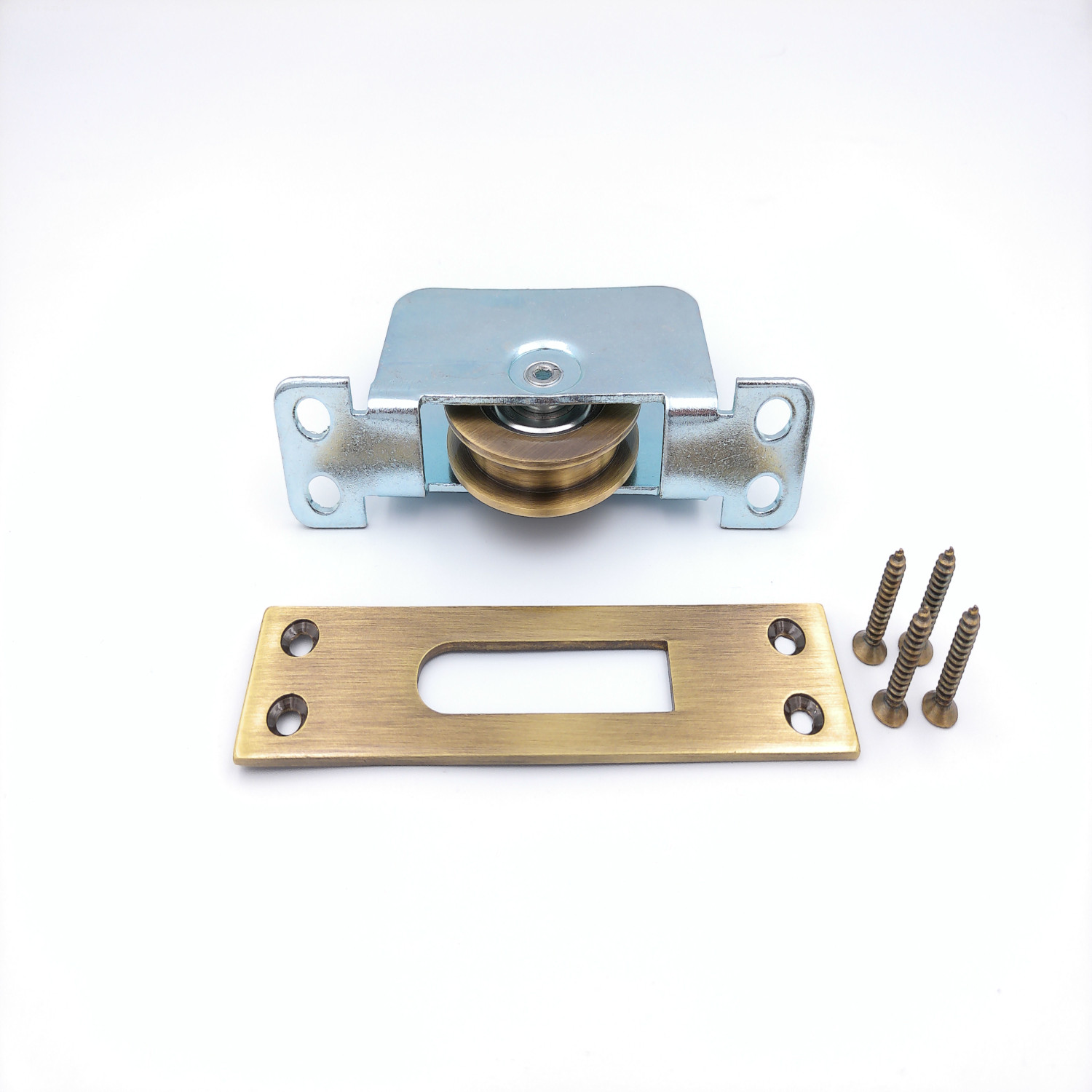
2″ Heavy Duty Pulley – Ball Bearing
Select options This product has multiple variants. The options may be chosen on the product page -


-
-
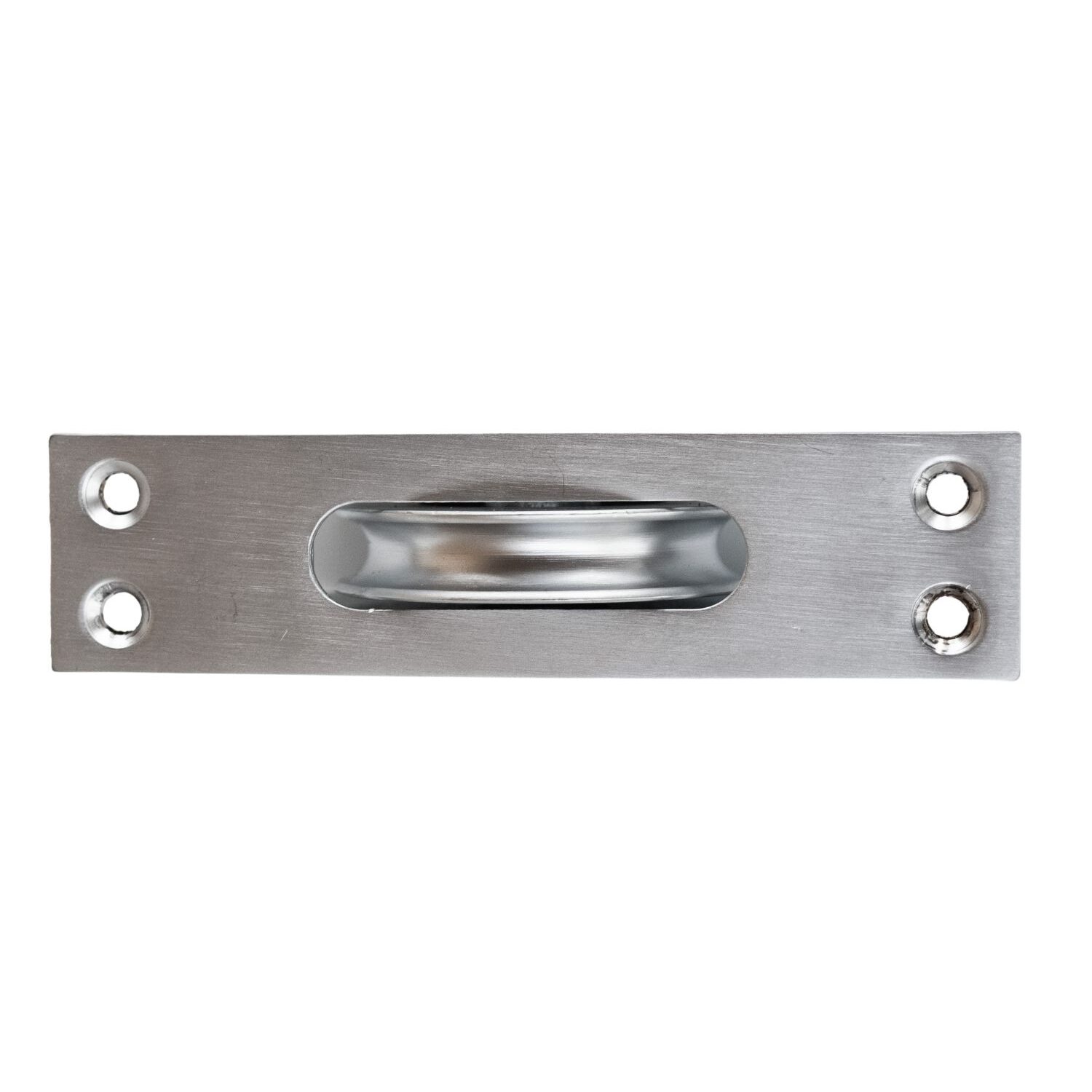
2″ Sash Pulley Satin Chrome
Select options This product has multiple variants. The options may be chosen on the product page -

2″ Sash Pulley Polished Bronze
Select options This product has multiple variants. The options may be chosen on the product page -

2″ Sash Pulley Polished Chrome
Select options This product has multiple variants. The options may be chosen on the product page
2 Inch Brass Sash Pulleys
The 2 inch brass sash pulleys provide smooth and dependable cord guidance for larger or heavier traditional sash window systems. Manufactured from durable cast brass, these pulleys deliver long-lasting performance while maintaining the authentic appearance required for restoration and heritage installations.
Heavy-Duty Performance for Larger Sash Windows
Larger sash windows require strong hardware capable of supporting increased counterbalance loads. The 2-inch wheel diameter improves cord travel and reduces friction, helping extend sash cord lifespan while ensuring consistent lifting performance. Installers frequently specify this pulley size when working with wider timber frames or heavier glazing configurations.
Durable Cast Brass Construction
Cast brass construction offers excellent corrosion resistance and long-term durability, making these pulleys suitable for restoration projects, refurbishment work, and new timber sash window manufacturing. In addition, the traditional brass finish complements classic architectural detailing, allowing the hardware to integrate seamlessly into period window systems.
Ideal Applications
These pulleys are commonly used in:
Heritage restoration and listed building projects
Residential sash window refurbishment
Professional joinery manufacturing
Replacement hardware installations
Reliable Counterbalance Operation
Professionals across the UK rely on 2 inch brass sash pulleys when they require durable, historically appropriate hardware that supports smooth sash window movement and dependable long-term performance.
History of Sash Window Pulleys
Sash window pulleys developed alongside the introduction of sliding sash windows in Britain during the late 17th century. Early sash systems relied on cords and counterweights hidden inside the window frame, but builders needed a reliable mechanism to guide the cords smoothly. Craftsmen therefore introduced small rotating pulley wheels mounted in metal housings, allowing windows to open and close with far less friction.
During the Georgian period, sash windows became a defining architectural feature across urban Britain. As construction increased, joiners began standardizing pulley sizes and fittings so they could be installed more efficiently across large housing developments. Brass quickly became the preferred material because it resisted corrosion, handled repeated movement well, and complemented the decorative hardware used in period interiors.
In the Victorian era, manufacturing advances allowed foundries to mass-produce cast brass pulleys with improved strength and consistent dimensions. Larger pulley wheels also appeared to accommodate heavier sash windows fitted with thicker glass panes. These developments improved reliability and reduced wear on sash cords, helping extend the lifespan of window balancing systems.
Today, modern sash window pulleys still follow the same mechanical principles developed centuries ago. While precision machining and improved casting methods now ensure tighter tolerances and smoother rotation, traditional brass pulley designs remain widely used in both heritage restoration projects and new timber sash window installations, preserving the historic engineering that has supported sash window operation for over 300 years.