
Product description
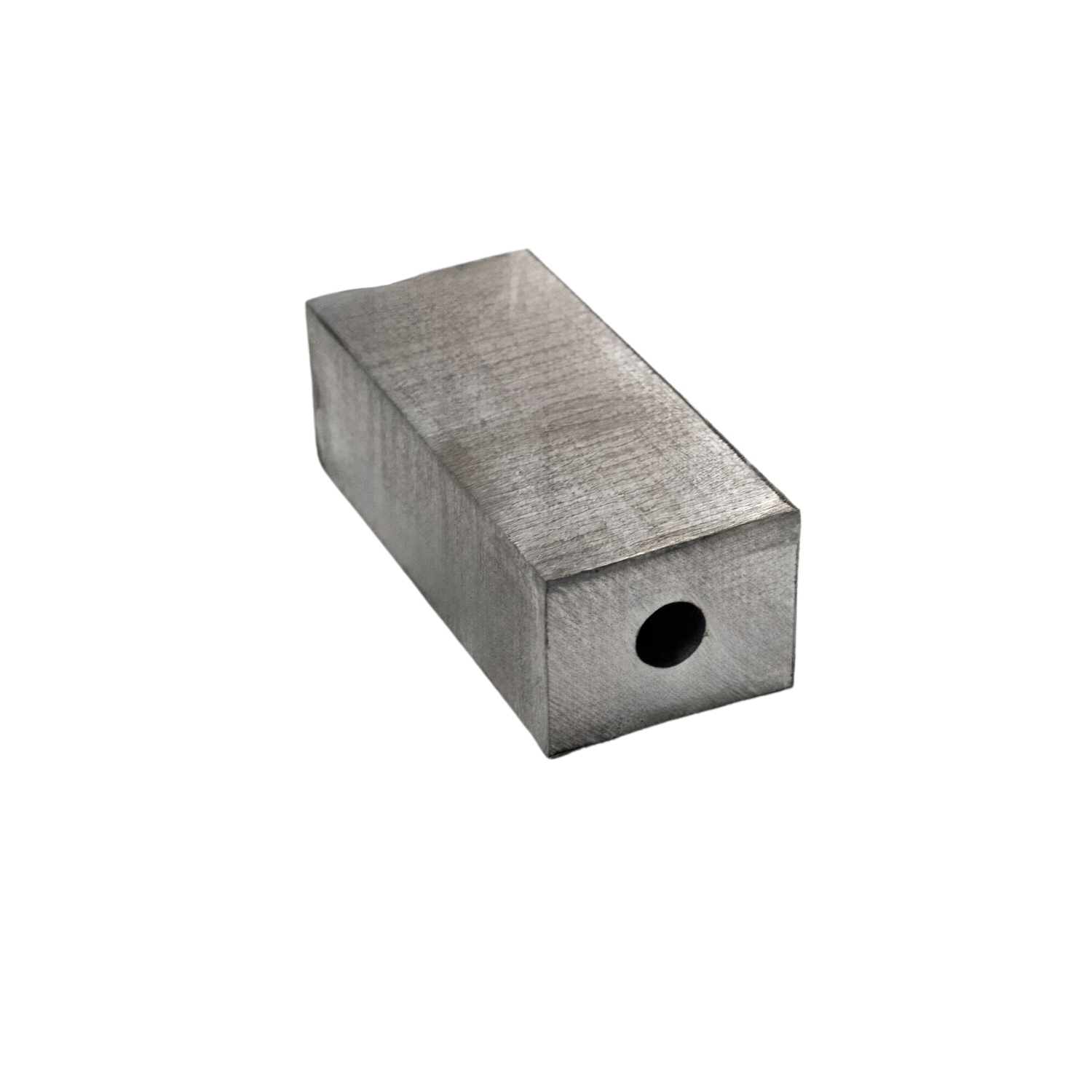
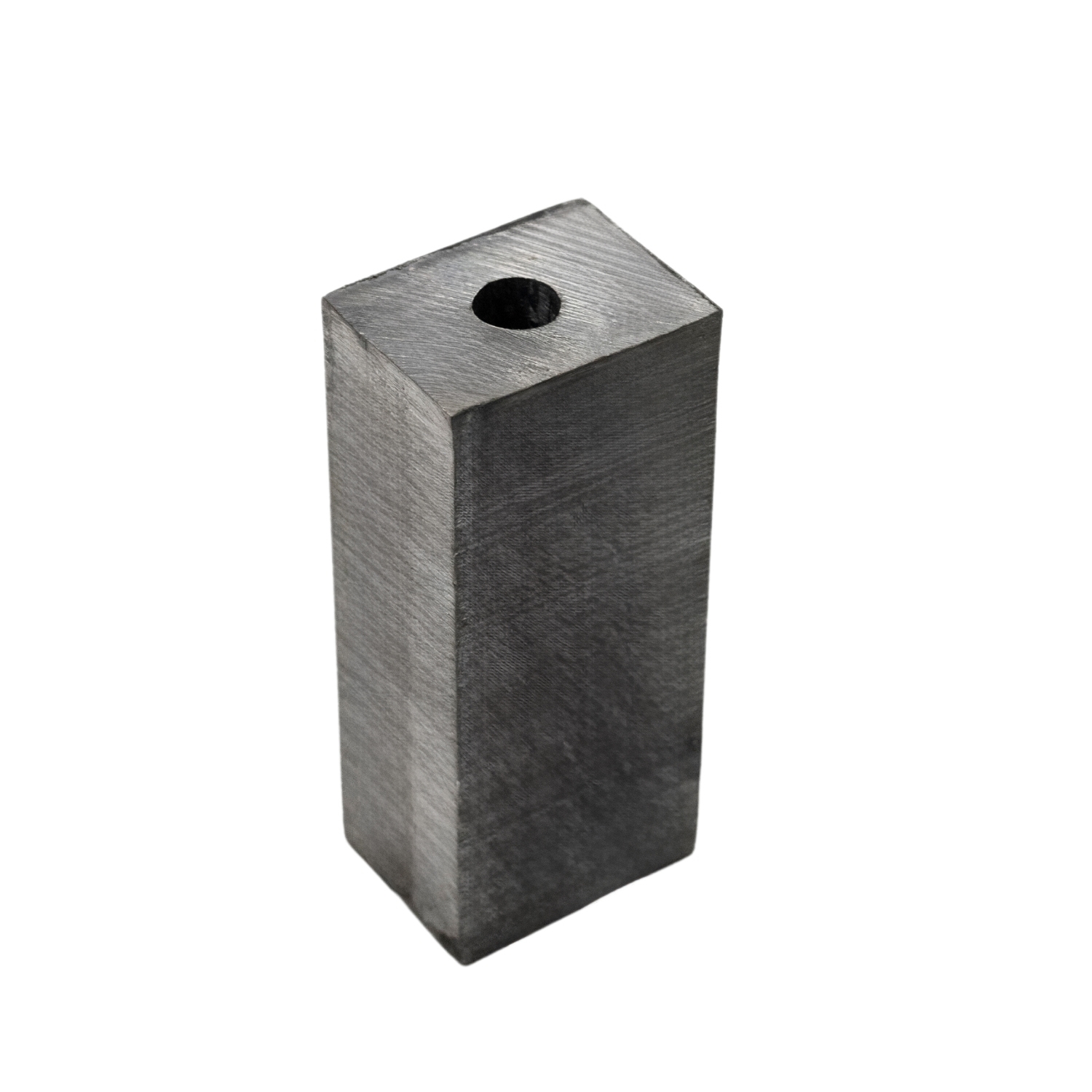
Proper sash window performance depends on correctly matched counterweights. Therefore, selecting precision-manufactured components ensures smoother operation, reduced wear on cords, and improved long-term reliability. Our 45mm x 35mm rectangular profile allows installers to achieve accurate balancing while maintaining efficient use of internal sash box space.
In addition, controlled casting processes maintain consistent density and dimensional accuracy across every production batch. This consistency allows quick installation and reliable performance during both restoration projects and new joinery installations. As a result, contractors can complete window balancing with greater efficiency and fewer on-site adjustments.
These weights suit heritage restoration work, residential refurbishment, and bespoke joinery manufacturing. Furthermore, the durable lead construction resists corrosion and provides stable counterbalance performance for decades of continuous operation.
Professionals across the UK rely on rectangular lead sash weights 45mm x 35mm when they require dependable replacement components that match traditional sash window engineering standards. With accurate sizing, durable materials, and reliable manufacturing quality, these counterweights support smooth and consistent window movement in both historic and modern installations.
History of Lead Counterweights in Sash Windows
Craftsmen introduced lead counterweights during the late 17th century, shortly after sliding sash windows became popular in Britain.Builders quickly discovered that dense materials created smoother window movement while requiring less internal space. Consequently, they chose lead because it provided high weight in compact form and resisted corrosion over long periods. During the Georgian and Victorian eras, joiners refined counterbalance systems and standardized weight production.As urban housing expanded, manufacturers began casting rectangular and cylindrical counterweights in consistent sizes so installers could balance windows more accurately.
Furthermore, improved casting methods allowed suppliers to produce uniform pieces that reduced fitting time on construction sites. In the 20th century, restoration specialists continued to rely on traditional lead counterweights because modern alternatives often required larger cavities or delivered less precise balance. Therefore, conservation projects across the UK still specify traditional cast designs to maintain original performance and historical authenticity. Today, modern foundries combine historical casting principles with improved quality control, ensuring that replacement counterweights match the reliability and dimensions used in heritage sash window systems.