
Product description
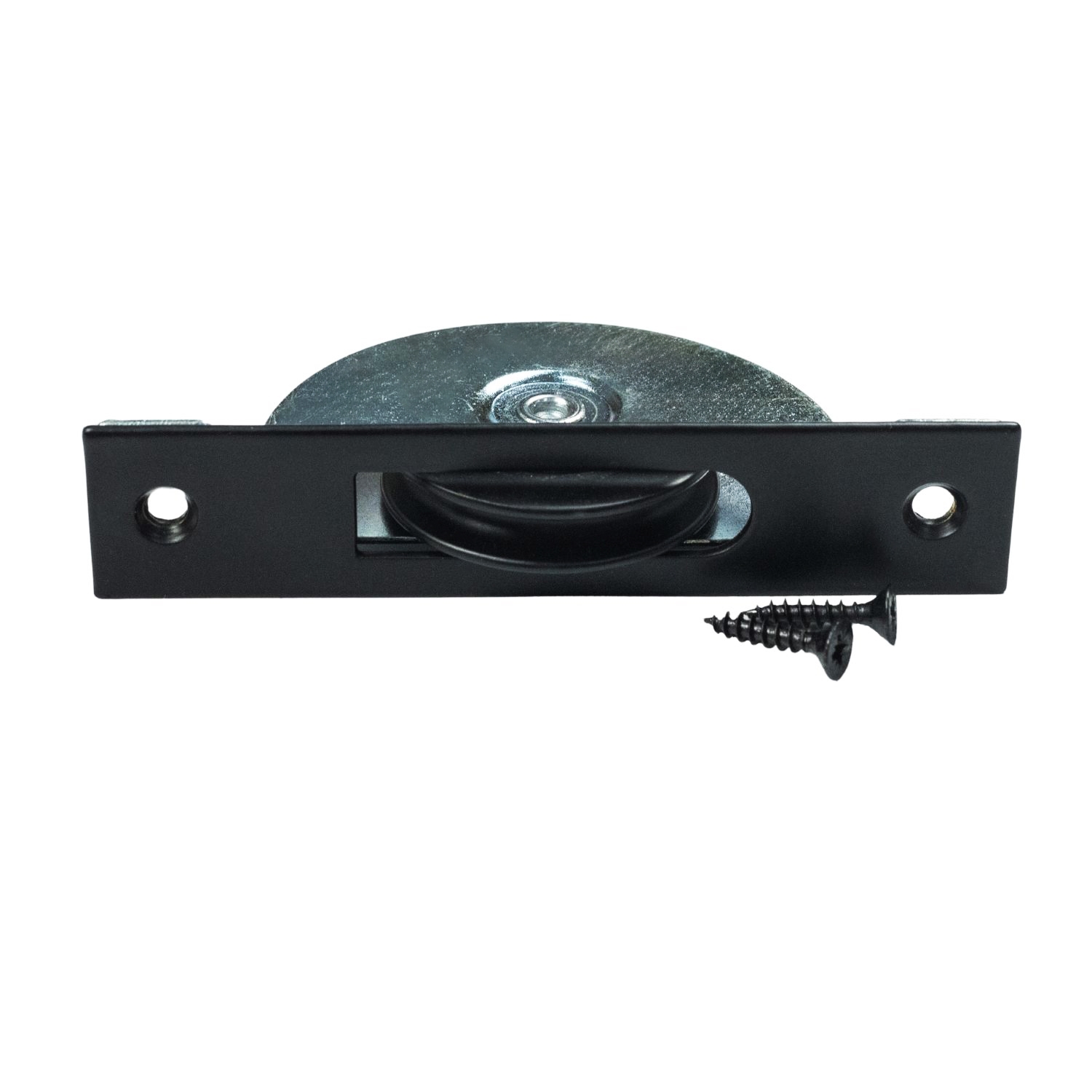
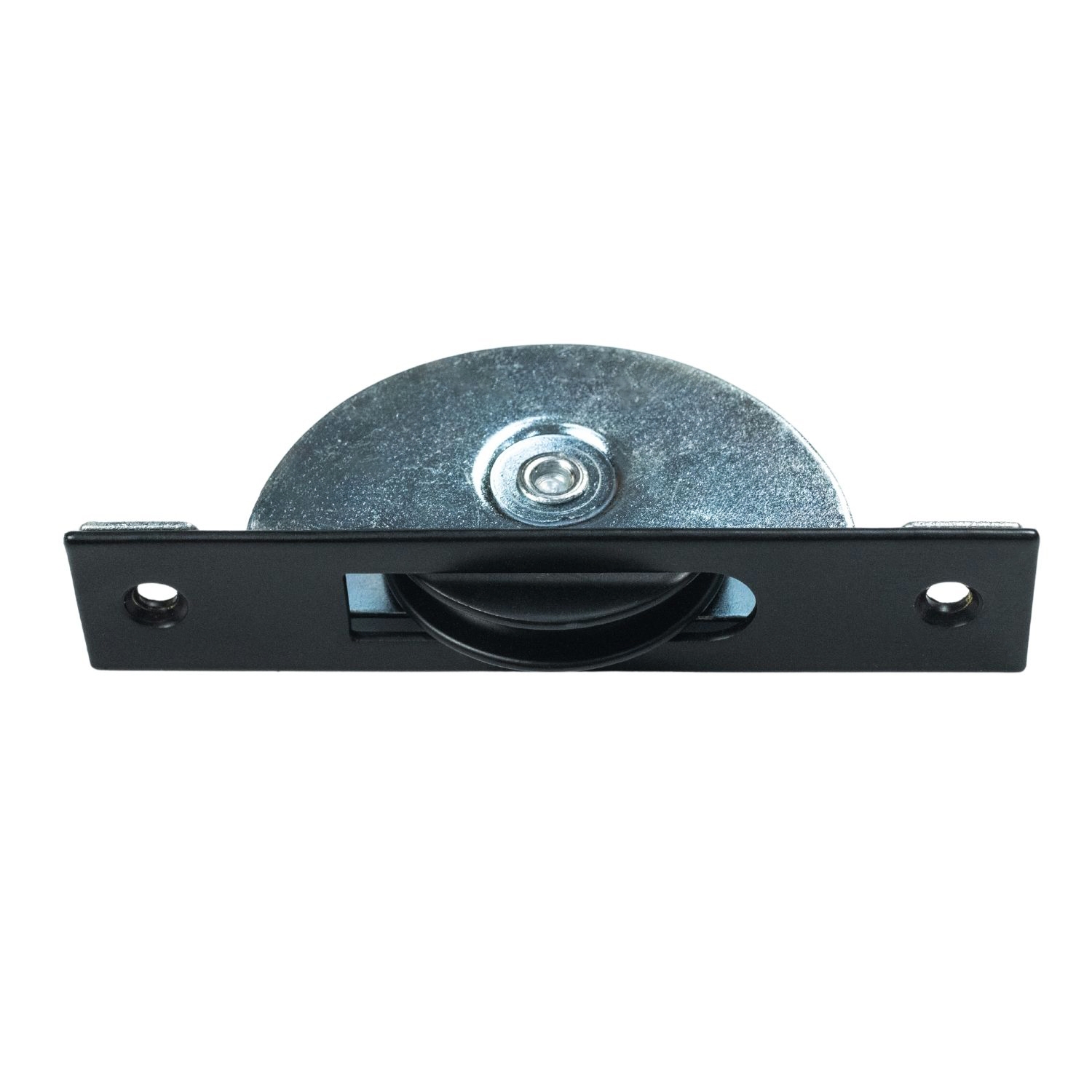
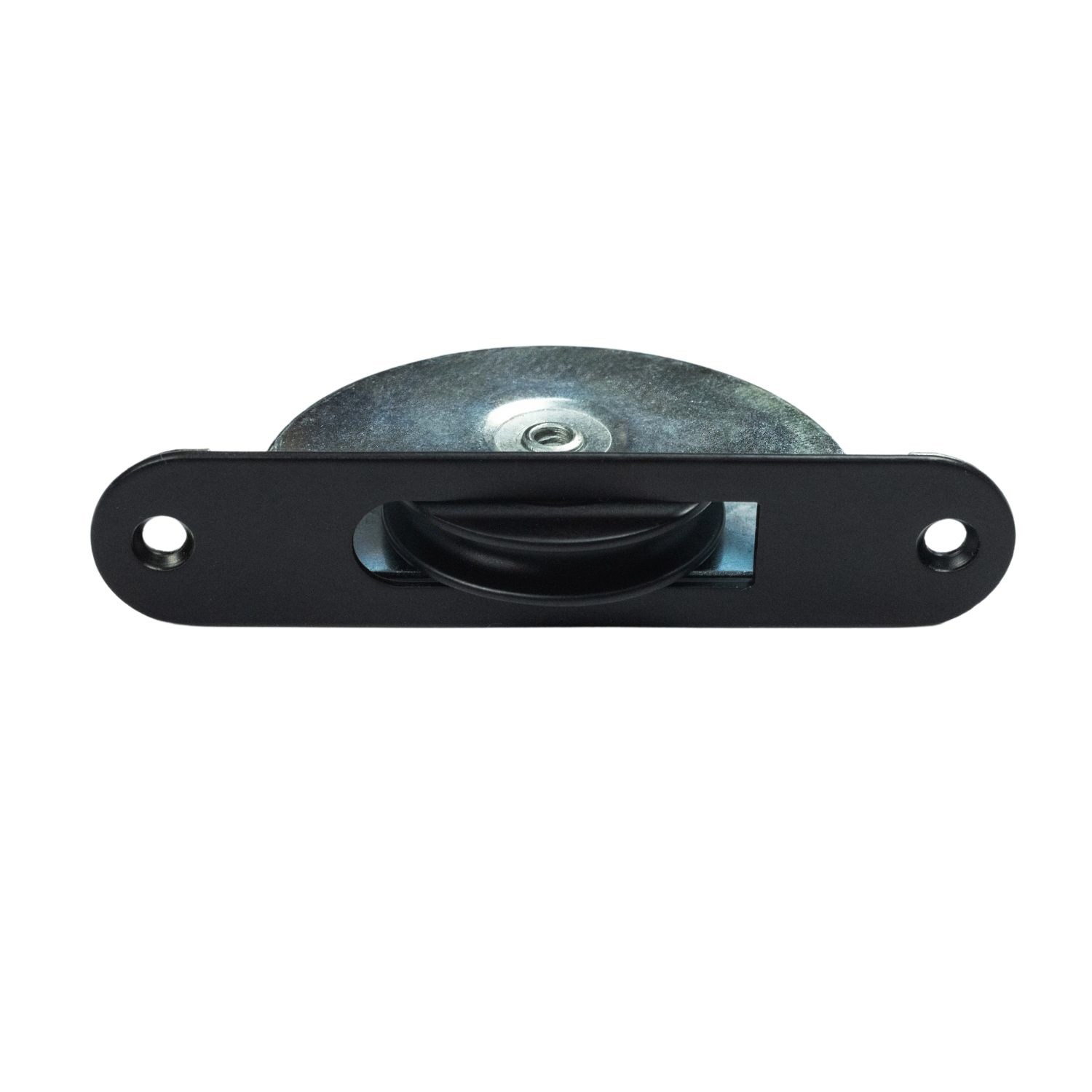
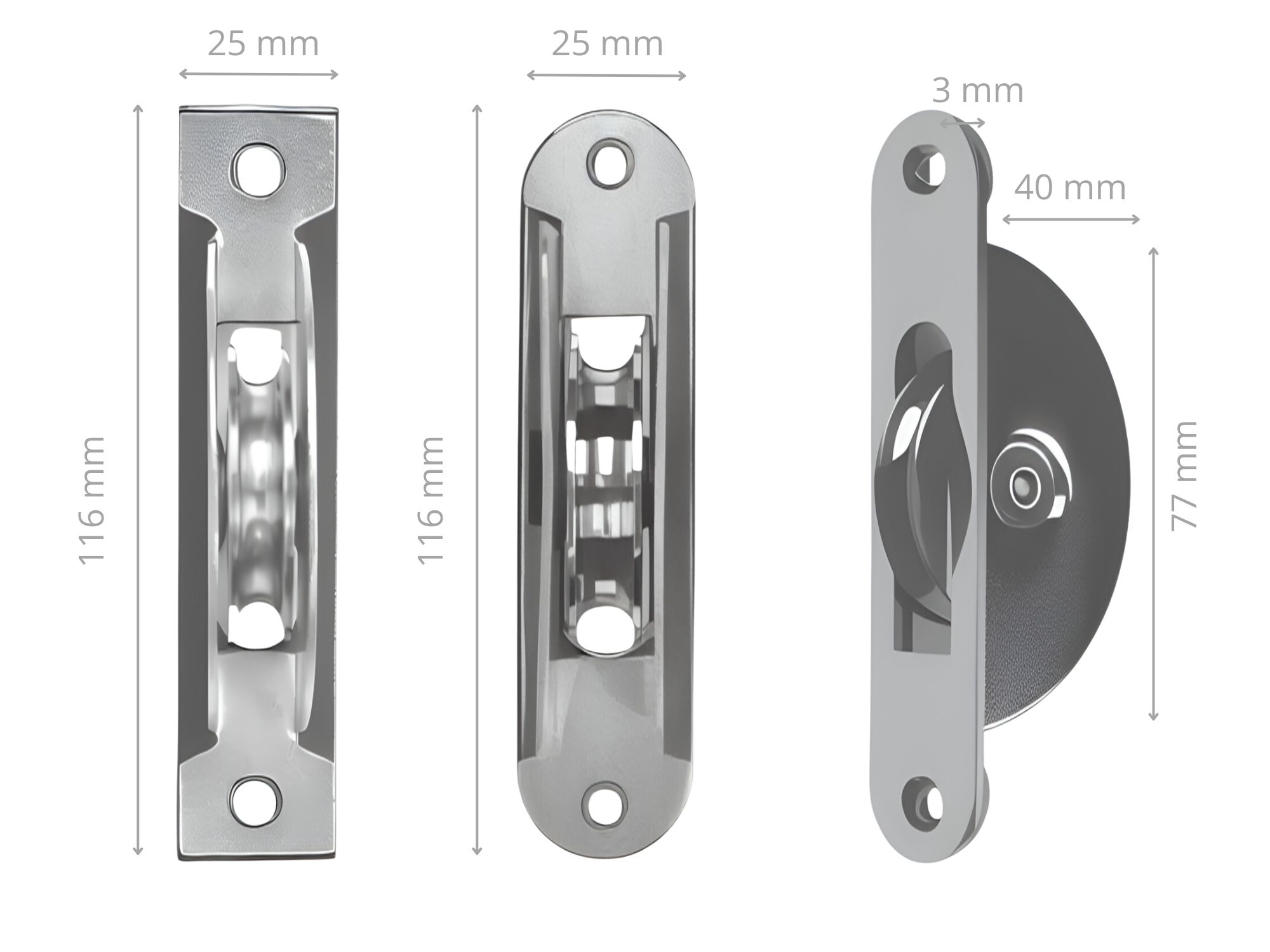
1 ¾″ Sash Pulley – Matt Black
1 3/4 sash pulley matt black provides reliable cord guidance and smooth operation for timber sash windows, with a low-sheen finish that suits modern and industrial interiors. It supports stable counterbalance performance and helps reduce friction during lifting.
Why choose 1 3/4 sash pulley matt black
Firstly, the 1¾″ wheel suits many common sash boxes, so it works well for replacements. Secondly, the pulley improves cord tracking, which helps reduce wear and improves the feel of the window. Additionally, matt black hides fingerprints and minor marks better than polished finishes, making it a practical choice for high-use areas.
Benefits
- Improves smoothness and control during window operation
- Helps reduce cord abrasion to extend service life
- Matt Black finish for modern, understated styling
- Ideal for refurbishment, restoration, and joinery installs
Internal links
External reference: Historic England.
Choose 1 3/4 sash pulley matt black for reliable performance and a durable low-sheen finish.
History of Sash Pulleys
Sash pulleys developed in Britain during the late 17th century alongside the rise of sliding sash windows. Early sash windows used a counterweight system hidden inside the timber box frame. However, builders needed a reliable way to guide the cord smoothly over the frame head. As a result, craftsmen introduced small rotating pulley wheels mounted in metal housings to reduce friction and improve lifting control.
Georgian Period Development
During the Georgian era, sash windows became a defining architectural feature in townhouses and public buildings. Joiners began standardising pulley sizes to suit common sash box dimensions. Brass quickly became a preferred material because it resisted corrosion, rotated smoothly, and matched other traditional window fittings. Consequently, brass sash pulleys became a staple component in quality window construction.
Victorian Advancements
In the Victorian period, glass panels became larger and heavier. Therefore, sash windows required stronger counterweight systems and more durable pulleys. Foundries improved casting techniques, which helped manufacturers produce stronger housings and smoother-running wheels. These changes increased lifespan, reduced cord wear, and supported wider use of sash windows across expanding urban housing.
20th Century to Modern Use
Throughout the 20th century, sash pulleys kept the same basic mechanical principle. Even so, manufacturers refined machining processes to improve rotation efficiency and consistency. In addition, modern finishing methods and protective coatings improved durability while preserving the traditional look.
Today, sash pulleys still follow the same engineering concept developed over 300 years ago. Restoration specialists and joinery professionals continue to use brass and precision-machined pulley systems to maintain authentic performance in heritage properties, while benefiting from improved manufacturing accuracy and long-lasting materials.